
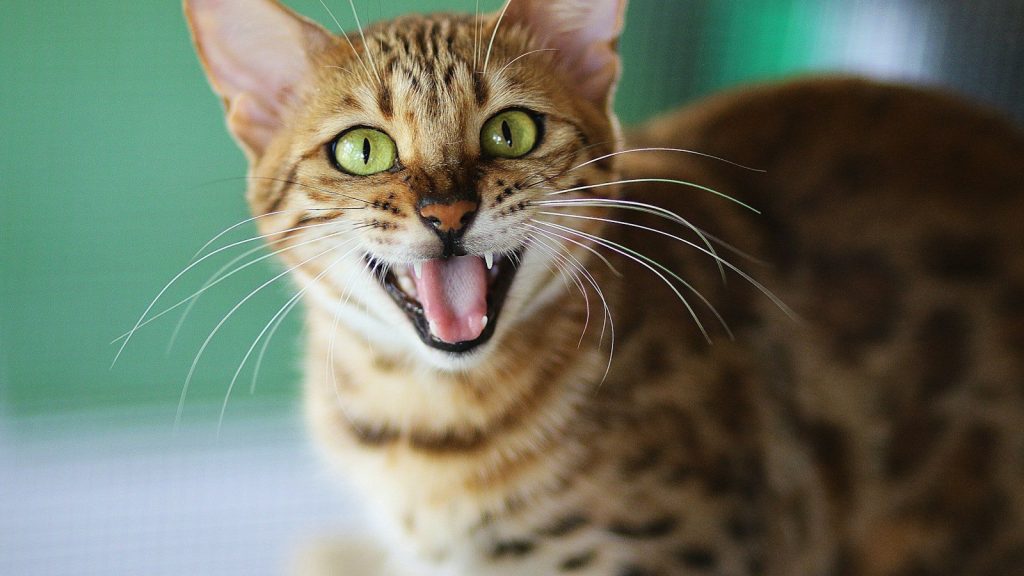
Short answer: Older cats may yowl at night because of disorientation, hearing loss, pain or cognitive decline, which the ASPCA estimates affects more than half of cats aged 11 to 15. Medical problems can also play a part, so a vet check comes first. Never punish the yowling: it can make anxiety worse.
Being woken at 3 a.m. by a crying cat is hard, and it can be worrying. In older cats, night-time yowling is usually a sign that something has changed, and there’s often something you and your vet can do about it.
Why do old cats yowl at night?
The ASPCA lists several reasons older cats may vocalize more:
- Disorientation
- Hearing loss
- Pain, including arthritis, which Cornell notes becomes more common in older cats
- Cognitive dysfunction, an age-related decline sometimes compared to dementia
Other health problems can play a part too. Cornell explains that high blood pressure, which is common in cats with kidney disease, can cause sudden vision changes and disorientation. An overactive thyroid (hyperthyroidism), common in middle-aged and older cats, can cause hyperactivity along with weight loss and a bigger appetite. These are among the things your vet may check.
Is it dementia?
It might be. The ASPCA estimates that feline cognitive dysfunction affects more than 55% of cats aged 11 to 15. It can cause anxious, plaintive meowing, especially at night, and cats may call out, pace or paw at their owners. But because pain and illness can look similar, a vet needs to rule out medical causes before putting it down to age.
What should I do first?
Book a vet visit. The ASPCA advises a thorough examination to find any medical cause before assuming the behavior is due to aging, and Cornell recommends seeing your vet without delay for any change in an older cat’s behavior or health.
How can I help my cat at night?
- Keep a predictable routine. The ASPCA says a predictable environment and daily routine are central to managing cognitive dysfunction.
- Add night lights. The AAFP suggests them for older cats, so they can see in the dark.
- Make essentials easy to reach. Low-entry litter boxes, water stations and steps to favorite spots help a cat who may be confused or stiff.
- Ask your vet about other support. The ASPCA notes that pheromone products may help, and your vet may discuss medication.
- Don’t punish or show frustration. The ASPCA warns this can make anxiety worse.
Our Senior Cats section covers more ways to make home easier for an older cat.
When should I call the vet?
- The yowling is new, or suddenly worse
- It comes with changes in appetite, weight, thirst or litter habits
- Your cat seems confused, bumps into things, or has trouble seeing
- Your cat seems to be in pain, or moves stiffly
We’re not vets. Night-time yowling has many possible causes, and only your veterinarian can examine your cat and find the right one.
Frequently asked questions
Is it normal for old cats to yowl at night?
It’s common, but it isn’t something to ignore. Pain, hearing loss, illness and cognitive decline can all be behind it, so have your vet check your cat.
Can cats get dementia?
Cats can develop cognitive dysfunction, an age-related decline in brain function. The ASPCA estimates it affects more than 55% of cats aged 11 to 15. Your vet can help rule out other causes.
Should I scold my cat for yowling?
No. The ASPCA advises against punishing an older cat or showing frustration, because it can make anxiety worse. Focus on a vet check and a calm, predictable routine.