
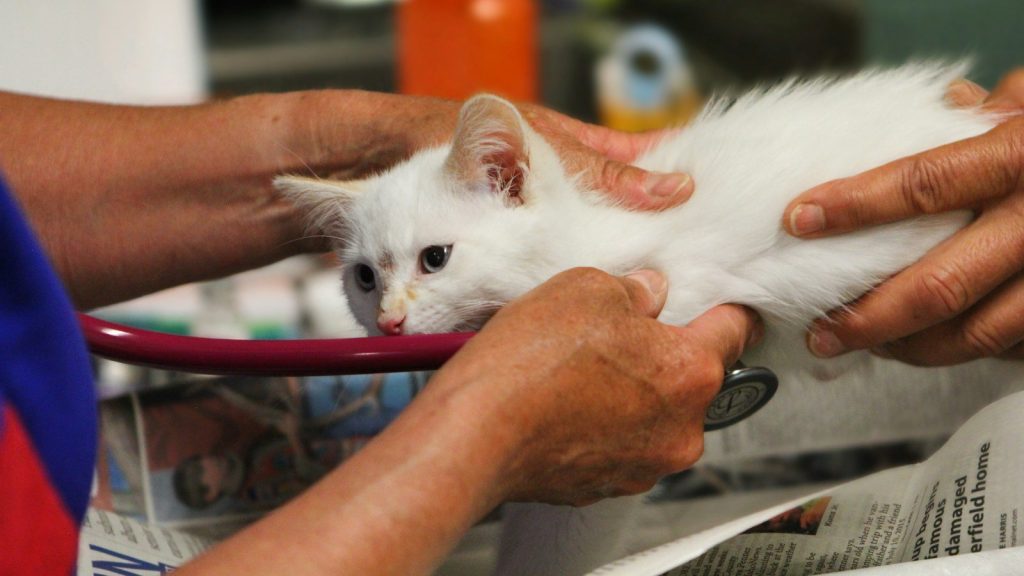
Short answer: Early kidney disease often has no visible signs. As it progresses, cats usually drink more and urinate more, and may lose weight, look unkempt or seem tired. Cornell estimates it affects up to 40% of cats over 10, so regular blood and urine tests are the best way to catch it early.
Chronic kidney disease (CKD) is one of the most common health problems in older cats. Knowing the early signs, and what your vet will check, helps you act sooner. Everything below is general information; diagnosis and treatment always belong with your veterinarian.
What is chronic kidney disease in cats?
CKD is a gradual loss of kidney function. According to the Cornell Feline Health Center, it affects up to 40% of cats over the age of 10 and 80% of cats over 15, and the only known risk factor is age. It’s progressive and has no cure, but treatment can slow it down and keep cats comfortable.
What are the early signs of kidney disease in cats?
In the early stages, many cats show no obvious signs because their bodies compensate. As the disease progresses, Cornell lists these signs:
- Drinking more and urinating more. You may notice bigger clumps in the litter box or an emptier water bowl.
- Weight loss, lethargy and an unkempt coat, as waste builds up in the blood.
- Poor appetite and pale gums, which can be signs of anemia.
- Sudden changes in vision, disorientation or weakness, which can be caused by high blood pressure. Cornell notes that about 60% of cats with CKD develop high blood pressure.
How do vets diagnose kidney disease?
Your vet will usually run blood and urine tests:
- Bloodwork measuring BUN, creatinine and SDMA. Cornell notes that SDMA rises when about 40% of kidney function is lost, which can allow an earlier diagnosis than creatinine alone.
- A urinalysis. Low urine concentration can be one of the earliest signs of CKD in cats.
- Repeat testing. Results are most reliable from at least two blood and urine samples taken within two weeks, from a stable, well-hydrated cat.
Vets then often “stage” the disease using the International Renal Interest Society (IRIS) system, which helps guide treatment.
What does treatment involve?
There’s no cure, so treatment aims to slow the disease and keep your cat comfortable. Your vet will decide what’s right for your cat, but Cornell describes these common parts of care:
- A prescription kidney diet. These diets restrict protein, phosphorus and sodium. Cornell cites findings that cats on a prescription kidney diet live 2 to 3 times longer than cats eating standard food. Changes should be gradual, and cats shouldn’t go without food for long.
- Hydration. Wet food, several water sources and fountains help. Some cats need fluids under the skin, which owners can often learn to give at home.
- Blood pressure control with medication, if needed.
- Other treatments for problems like anemia or high phosphorus, depending on your cat’s results.
Cornell also notes evidence that the earlier CKD is diagnosed and treated, the better the outcome. That’s the strongest argument for regular checkups and bloodwork in older cats.
Supporting a cat on a kidney diet at home
Our 17-year-old cat Lokee is on a kidney-support diet chosen by her vet, so we know how much the day-to-day details matter. The most useful things you can do at home are to follow your vet’s plan, keep fresh water easy to reach in several places, and tell your vet quickly about any change in appetite, thirst or litter habits. Our guide to senior cat care has more ideas for making home easier.
When should I call the vet?
- Your cat is drinking or urinating noticeably more
- Your cat is eating less, or stops eating
- You notice weight loss, pale gums or unusual tiredness
- Your cat seems suddenly disoriented or has trouble seeing
We’re not vets. We’re cat owners sharing what veterinary sources say. Please don’t change your cat’s diet or start any treatment without your veterinarian.
Frequently asked questions
Can kidney disease in cats be cured?
No. Chronic kidney disease is progressive, and Cornell notes there is no definitive cure. Treatment can slow it down and keep cats comfortable, and earlier diagnosis is linked to better outcomes.
How long can a cat live with kidney disease?
It varies a lot with the stage at diagnosis and how the cat responds to treatment. Cornell cites an average survival of two to three years in many studies for cats diagnosed at IRIS stage 2, and less than 6 months on average at stage 4. Your vet can give you a better idea for your own cat.
Should I switch my cat to a kidney diet myself?
No. Prescription kidney diets are chosen by your vet based on test results, and switching should be gradual so your cat keeps eating. Talk to your vet before changing anything.